
More Than Just Storytime: Developing Character Through Opportunities to Lead
Written by Christa Perkins | Founder, CP Consulting, and Character Impact Lab member
As a youth development professional and consultant, I recently had the opportunity to visit an after-school program at an elementary school. The program was seeking accreditation, and I was there as the validator conducting the site visit.
As a Validator, I evaluate nearly 100 different quality programming benchmarks. But my favorite part of the process is always the opportunity to talk with young people.
You can learn so much by simply asking young people what they like about their program. Their answers tell you about how they feel when they are there, the relationships they have with staff and one another, the activities that engage them, and whether they feel a sense of belonging and connection.
During this visit, I was sitting at the snack table with a few young people and asked them what they liked about their after-school program.
Leading and mentoring younger children is what they talked about the most.
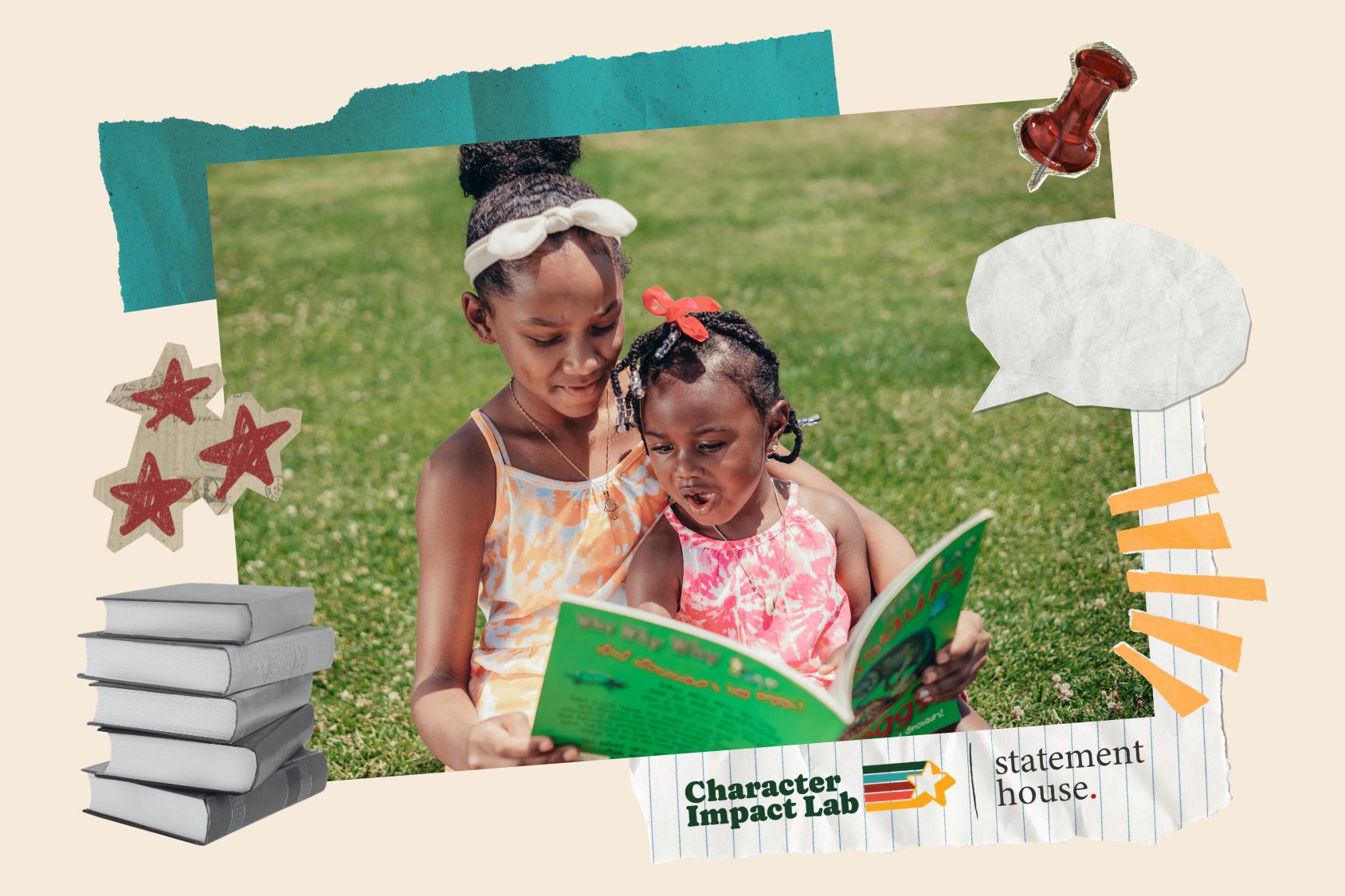
They told me about one of their favorite responsibilities: reading with the kindergarteners. The older youth typically work in pairs, going into a kindergarten classroom to help younger students with whatever they are working on and to read books to and with them. What struck me most was how seriously they took this responsibility. They explained that you couldn't simply walk into the classroom, find your buddy, and spend the time talking to your friends or ignoring the younger child. You had a job to do.
And they understood that their role mattered. Think about what is happening in that simple experience:
They are practicing responsibility because another young person is counting on them.
They are developing empathy as they learn to pay attention to what a younger child needs and meet them where they are.
They are practicing patience and self-control when a kindergartener needs extra help, gets distracted, or struggles with a task.
They are building confidence as they realize they have something valuable to offer someone else.
They are developing respect by treating the younger children as capable learners rather than simply as little kids.
They are practicing initiative and problem-solving as they figure out how to engage their reading buddy and support their learning.
They are developing leadership—not because someone gave them a title, but because they have a meaningful opportunity to contribute, make decisions, and be responsible for someone else's experience.
Character development doesn't need to happen through a lesson; in fact, it’s better if it doesn't. Character development often happens through experience. Give youth a younger child to mentor, and they have an opportunity to practice empathy, patience, communication, and leadership. Give them a meaningful role and the support to succeed, and they have an opportunity to discover that they are capable, trusted, and needed.
This is powerful. Because young people don't just develop character by being told what good character looks like. They develop character by having opportunities to live it.
Putting it into Practice - Real Ways You Can Help Young People Develop Character In Real Time:
Whether you are a teacher, caregiver, youth worker, or caring adult in a young person’s life, there are so many small ways you can give kids the opportunity to practice leadership and learn character in real time:
In the classroom:
Daily Gratitude & Recognition Circle: At the start or end of each day, students take turns publicly acknowledging a classmate or sharing something they appreciate about their classroom community. (gratitude, humility, kindness)
Student-led Activities: Give students opportunities to plan and lead a classroom game, discussion, or activity. (leadership, confidence, responsibility, communication)
Peer Mentoring: Pair older or more experienced students with younger students or classmates who could use extra support. (empathy, patience, responsibility, leadership)
At home:
Shared Household Responsibilities: Give young people meaningful, age-appropriate responsibilities that contribute to the household. (accountability, cooperation, follow-through)
Family Decision-Making: Invite young people to help plan meals, outings, or family activities, considering everyone's needs and preferences. (perspective-taking, compromise, communication, responsibility)
Working Through Challenges Together: When something goes wrong, invite young people to help identify solutions and decide what to try next. (problem-solving, perseverance, accountability)
In the world:
Consistent Volunteer Work: Give young people opportunities to contribute to a community cause they care about. (compassion, responsibility, perseverance, civic-mindedness)
Youth-Led Community Projects: Support young people in identifying a problem in their neighborhood and organizing an effort to address it. (initiative, collaboration, leadership, agency)
Everyday Acts of Neighborliness: Encourage young people to help a neighbor, welcome someone new, or offer assistance when they notice a need. (empathy, kindness, initiative, generosity)
One thing to emphasize is that young people need genuine ownership over the experience. Giving them room to make choices, encounter challenges, and reflect on what happened is what makes these activities especially valuable for character development.