
We Can't Agree on How to Count an Absence. We Know What Brings Kids Back.
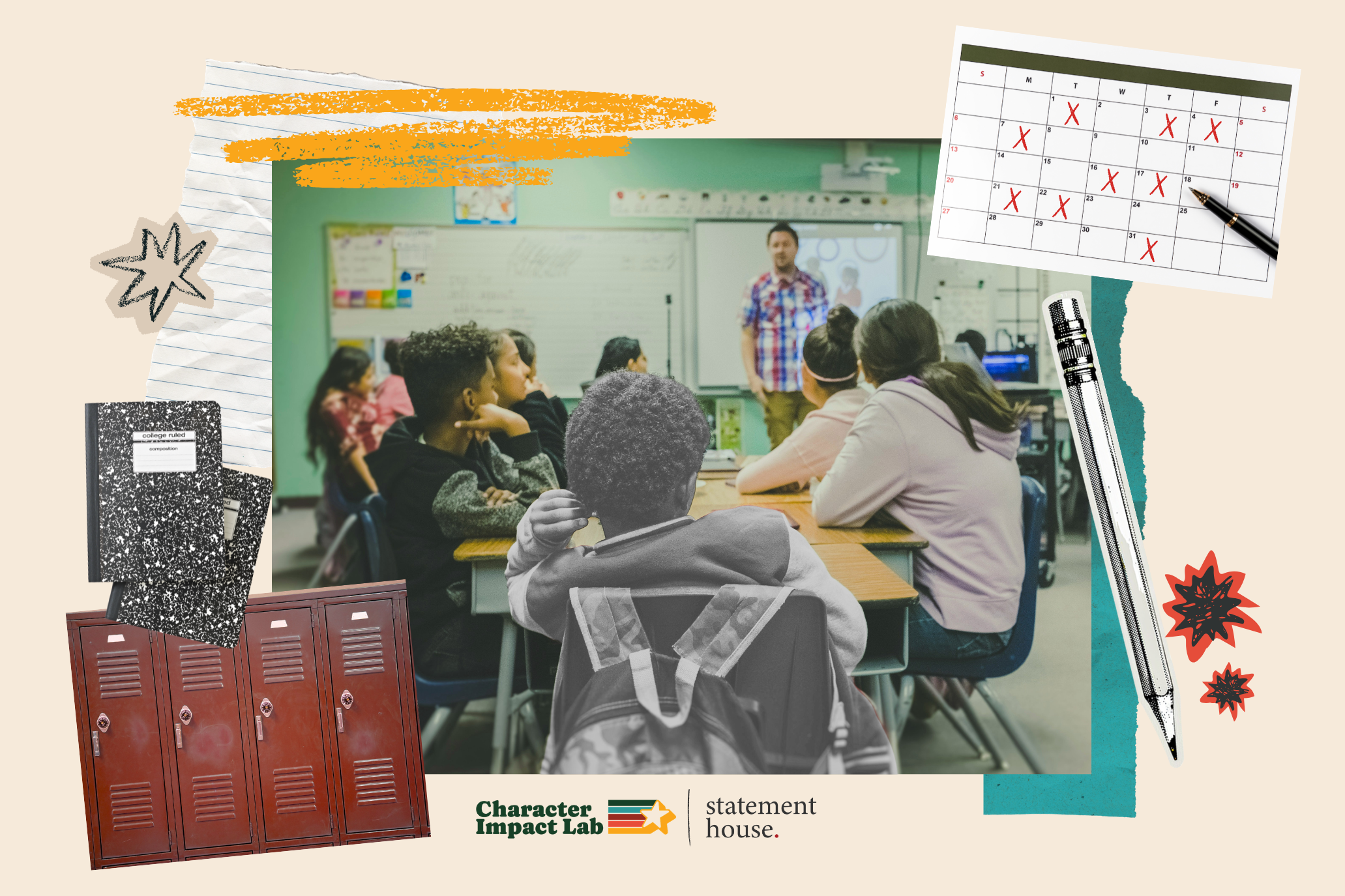
The fight over how to measure chronic absenteeism is aimed at the wrong end of the problem. The upstream driver, connection to school, is something we already know how to measure and how to build.
A student misses school. Was she absent? Even now, the answer depends on where she lives. Some schools count her present if she shows up for one class. Others require half a day. A growing number track attendance minute by minute, and 16 states leave that call to local discretion, with no research establishing which method is best. The problem got concrete in Iowa, where different counting methods made it impossible to compare attendance across the state until legislators mandated a single method for every district.
I've spent about 25 years measuring whether afterschool, camp, arts, and juvenile justice programs work for young people, usually in partnership with the school systems those young people belong to. The counting fight misses something bigger: attendance is an output. It tells us a child has already stopped showing up, long after the moment we could have done something about it.
The lever sits upstream, and we already measure it
When students feel connected to their school, when they believe an adult there knows them and a peer there wants them around, they come. A January 2026 analysis of nearly a decade of Georgia Student Health Survey data found that of eight school climate dimensions, connectedness was the single strongest predictor of whether students attended regularly. Reviewing the national research, Attendance Works points to caring adults, peer connection, engaging activities, and a sense of belonging as the conditions linked to steadier attendance, and names afterschool programs as especially well positioned to create them.
Connection is one of the better-measured constructs in adolescent research. The Add Health study has used the same short set of items for years, asking students how much they feel close to people at their school, feel part of it, and feel safe there. The CDC's Youth Risk Behavior Survey and California’s Healthy Kids Survey carry similar indicators.
Across these tools, three dimensions show up again and again: connection to peers, connection to caring adults, and a sense of belonging and engagement. We know how to ask these questions. We know how to score them. And the items mean the same thing from state to state, which is more than the absence count can claim.
A broken metric doesn't break evenly
This is where the standardization gap gets sharper. Statewide attendance averages smooth over the students carrying the highest rates, most often Black and Latino children and those from low-income families, whose gaps have widened rather than closed since the pandemic. And the definition itself carries bias: days lost to suspension are frequently logged as unexcused absences, so a discipline disparity quietly reappears as an attendance one (and we all know how racial bias plays a role in who is being disciplined in the first place). Change what counts as an absence, and you change whose experience the data can even see.
A connection measure asks the student directly how school feels to her, which is exactly where inequity currently lives and exactly what an average hides. Dr. Isha Metzger, who leads equity-centered evaluation on our team, puts it this way: “Equity must be intentionally embedded in both who is engaged and how engagement occurs.” That applies to measurement, too. The questions we choose, whom we ask, and how we ask them shape whose experiences become visible in the data.
The same conditions, from the classroom to the campfire
This is the work of positive youth development, and it's what we design for at Statement House’s Character Impact Lab. We call the settings that produce it Character-Forward Environments™. They build the conditions where connection becomes reliable: psychological safety, shared norms, meaningful participation, space to reflect, and a way to repair when something goes wrong. In those settings, a young person shows up as her whole self and learns freely. The conditions that make a camper count down the days to next summer are the ones that make a student want to walk back through the doors on Monday. Connection moves attendance in both places, because it answers the same human need.
So here's the reframe I'd offer anyone staring at an attendance dashboard: keep refining how you count. Also start measuring the thing that moves the count. Ask young people whether they feel known, safe, and part of something, then build the environments that let them answer yes. Those measures can travel across state lines; they can center the students an average tends to erase, and they can point at something we can actually build. That's a measurement strategy worth standardizing.